I Artist Adventure Tanzania Safari Experts
🏔 Africa's Highest Peak · 5,895 m

Mount Kilimanjaro

The highest mountain in Africa and the tallest free-standing mountain on Earth — a guided trek to 5,895 m that requires no technical climbing, only good preparation.

Destination Guide
Destination Guide

Why Kilimanjaro Is the Climb of a Lifetime

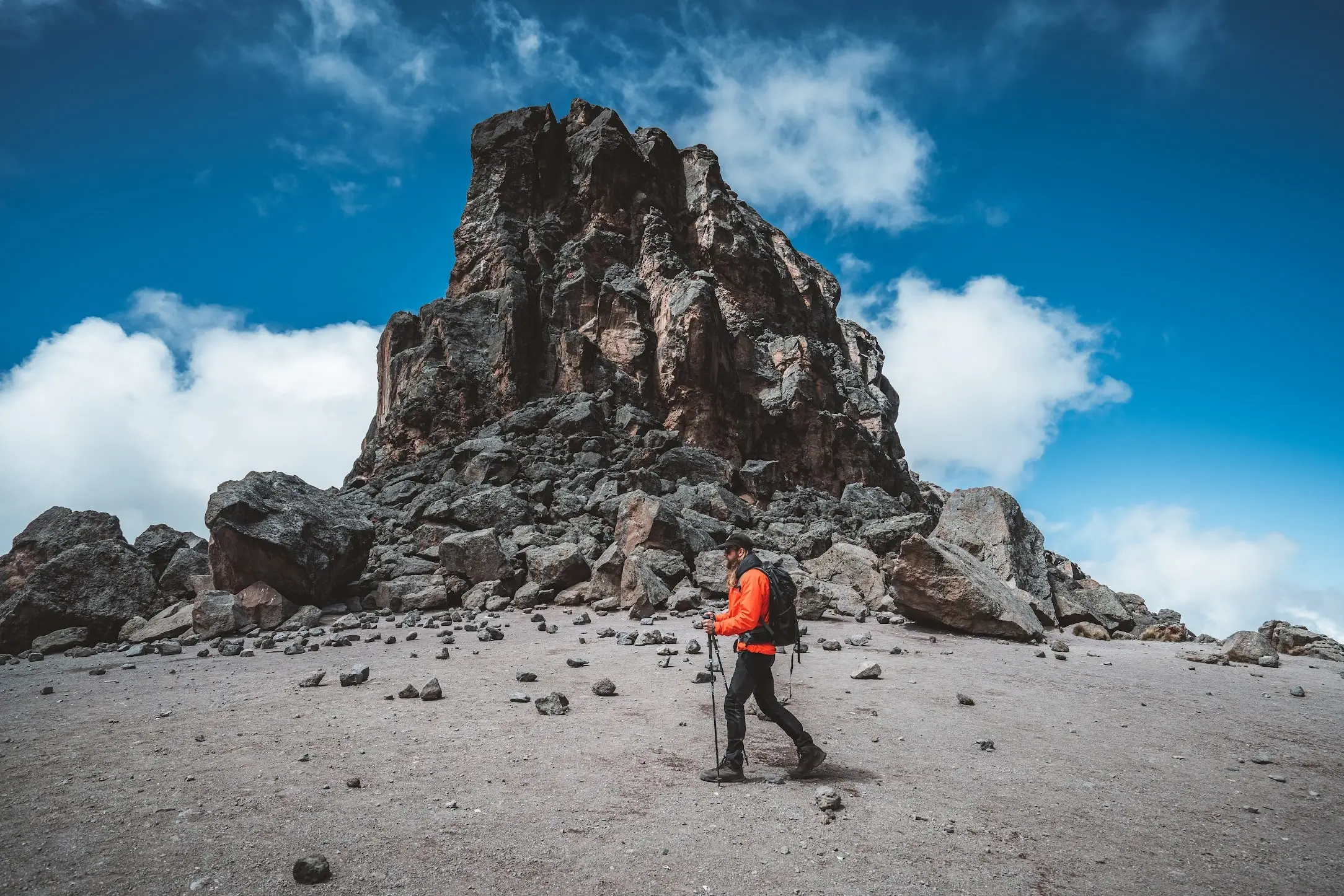
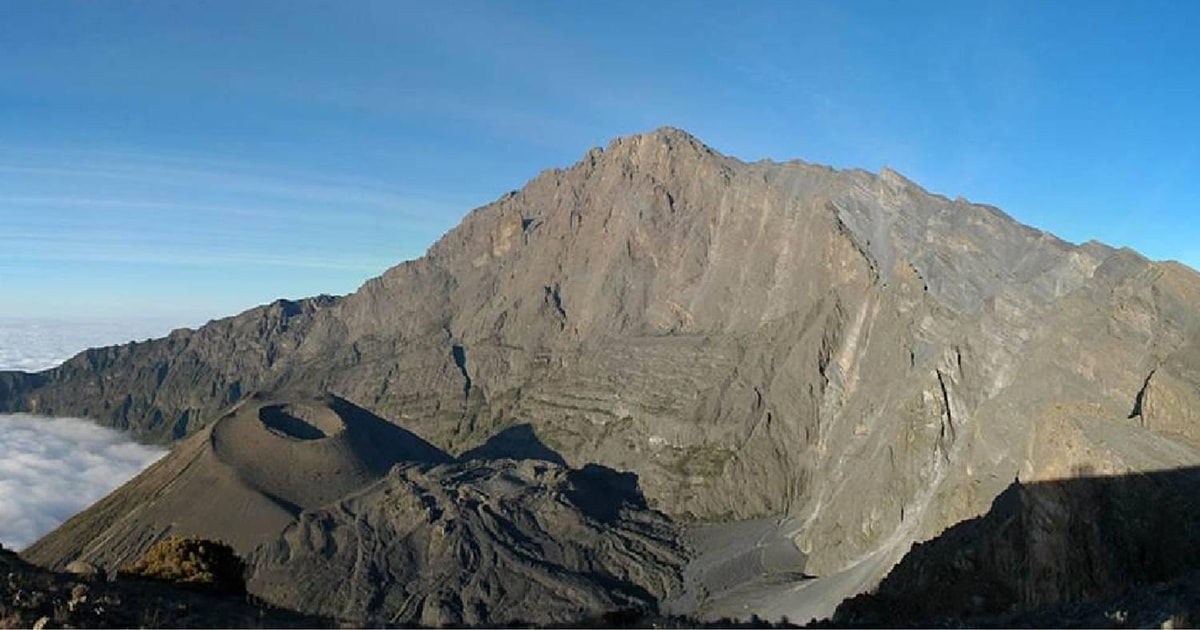
At 5,895 metres, Kilimanjaro is the highest point in Africa and the tallest free-standing mountain in the world — a dormant volcano rising alone from the plains, crowned by glaciers just three degrees south of the equator. No ropes or technical skills are required: it is a long, high walk that fit hikers can complete with proper acclimatisation.

The trek passes through five climate zones in under a week — farmland, rainforest, heath, alpine desert, and the arctic summit zone. Summit night starts around midnight, reaching Uhuru Peak for sunrise over the crater glaciers, then descending nearly two vertical kilometres the same day.

Route choice matters more than fitness. Longer itineraries acclimatise better: climbers on 7–8 day routes summit at far higher rates than those rushing 5-day climbs. Our teams are led by certified Wilderness First Responder guides with daily health checks, quality mountain equipment, and fair porter welfare practices.

Trek Highlights

  • Uhuru Peak (5,895 m) at sunrise — the roof of Africa above a sea of clouds
  • Five climate zones in one week, from rainforest with colobus monkeys to summit glaciers
  • Barranco Wall scramble and the giant groundsels of the alpine zone (Machame/Lemosho)
  • Crater rim views over the Rebmann and Furtwängler glaciers
  • A summit certificate — and a story you will tell for the rest of your life

Choosing Your Route

Machame (6–7 days): the scenic classic — varied terrain and strong acclimatisation profile. Lemosho (7–8 days): quieter start, superb views, our top recommendation for summit success. Marangu (5–6 days): the only route with hut accommodation; shorter, but lower success on 5-day versions. Rongai (6–7 days): drier northern approach, good in the rainy shoulder. Northern Circuit (9 days): the longest, quietest, and highest-success route on the mountain.

“Our guides checked oxygen levels twice a day and got all six of us to Uhuru Peak. The crew singing at the gate nearly made me cry.” — Guest review, TripAdvisor

Things to Do

  • Guided mountain trek or day hike
  • Acclimatisation walk before the climb
  • Forest and wildlife viewing on the lower slopes
Seasons

Best Time to Visit Mount Kilimanjaro

Jan – Mar

Warm-Dry Window

Clear mornings, quieter trails, and a chance of fresh snow on the summit for dramatic photos. Slightly colder summit nights than the mid-year window.

Best for fewer climbers
Apr – May

Long Rains

Trails are wet and clouds persistent — we generally advise against climbing, though the drier Rongai route remains workable for flexible climbers.

Avoid if possible
Jun – Oct

Peak Season

The most stable weather of the year with cold, clear summit nights. Routes are busier — Lemosho and Rongai stay quieter than Machame and Marangu.

Best overall conditions
Nov – Dec

Short Rains

Brief afternoon showers, green lower slopes, and far fewer climbers. Early December often delivers surprisingly clear summit windows.

Best shoulder season
Gallery

Scenes From Mount Kilimanjaro
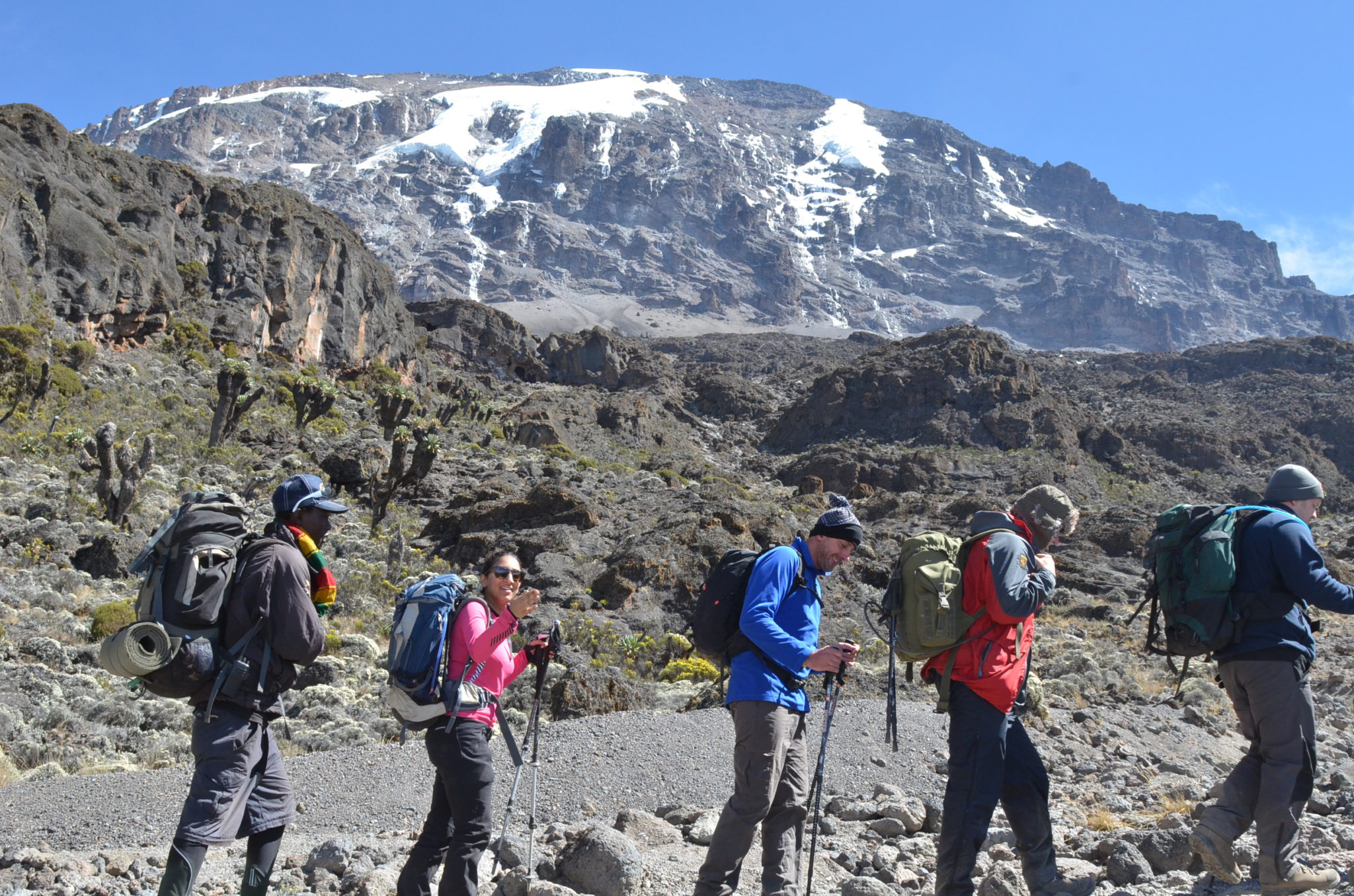
Mount Kilimanjaro
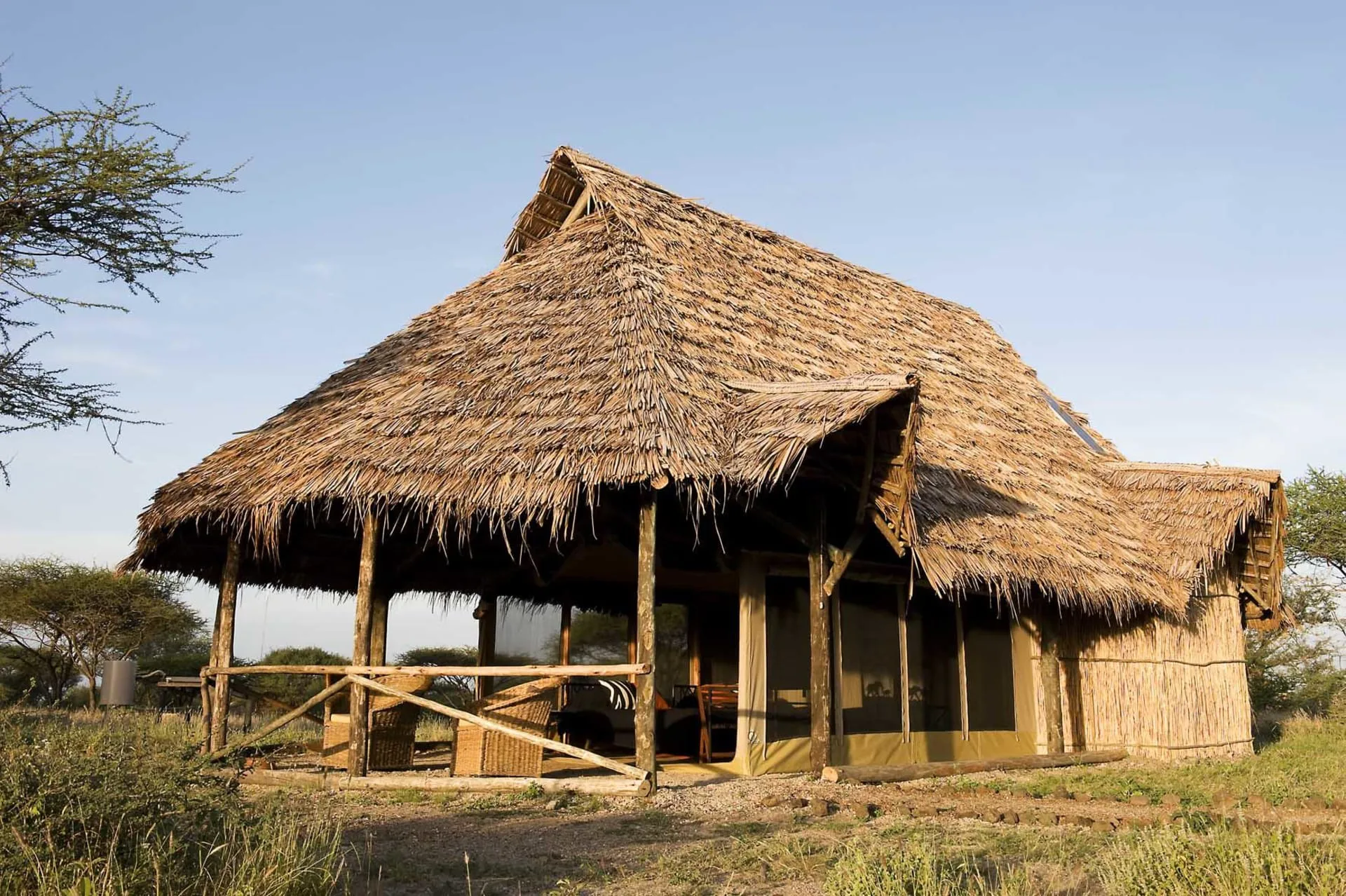
Mount Kilimanjaro Safari tent with views of Kilimanjaro at Kambi ya Tembo Mount Kilimanjaro Mount Kilimanjaro Mount Kilimanjaro
Safaris Featuring Mount Kilimanjaro

Ways to Experience It

≡ Luxury Honeymoon · 10 Days
10-Day Luxury Honeymoon Safari & Zanzibar
Highlights

This rebuilt honeymoon combines a focused private safari with a Zanzibar stay rather than treating the…

From $11,472 legacy / person
View All Safari Packages

Mount Kilimanjaro Questions?

Our specialists have guided hundreds of safaris here. Ask us anything about timing, routes, or lodges.

Contact Our Team →

Mount Kilimanjaro FAQs

Do I need climbing experience?
+
No — Kilimanjaro is a trek, not a technical climb. You need good hiking fitness, the right gear, and enough days to acclimatise. If you can comfortably hike 6–8 hours on consecutive days, you can train for this.
Which route has the best success rate?
+
Longer routes win. The 8-day Lemosho and 9-day Northern Circuit typically see summit rates around 90% or higher, while 5-day Marangu climbs fall closer to 60–70%. We recommend a minimum of 7 days.
How cold is summit night?
+
Expect −10°C to −20°C (14°F to −4°F) with wind chill between midnight and sunrise. Quality layering, insulated boots, and warm mittens are essential — we provide a full gear checklist and rental options.
What about altitude sickness?
+
Most climbers feel mild effects above 3,500 m. Our guides run twice-daily pulse-oximeter checks, carry emergency oxygen, and follow conservative pacing ('pole pole'). Choosing a longer route is the single best prevention.
How much does a Kilimanjaro climb cost?
+
A properly supported 7-day climb typically runs $2,000–$3,500 per person depending on route and group size, including park fees (which alone exceed $800), full crew, meals, and equipment. Beware of operators quoting far below this — porter welfare and safety are usually the corners being cut.
Safari Advisor
Ibrahim ● Online Based in Arusha, Tanzania

Want to Plan a Memorable Tanzania Adventure?

Contact us now — we are always here to help with honest, expert advice at no cost.

Start Planning

Ready to Plan Your Tanzania Adventure?

Tell us about your dream trip and our Tanzania safari specialists will get back to you within 24 hours with a personalised itinerary and no-obligation quote.

Excellent!
5.0 Rating Based on 150+ Verified Reviews Tanzania Licensed Tour Operator See All Reviews →