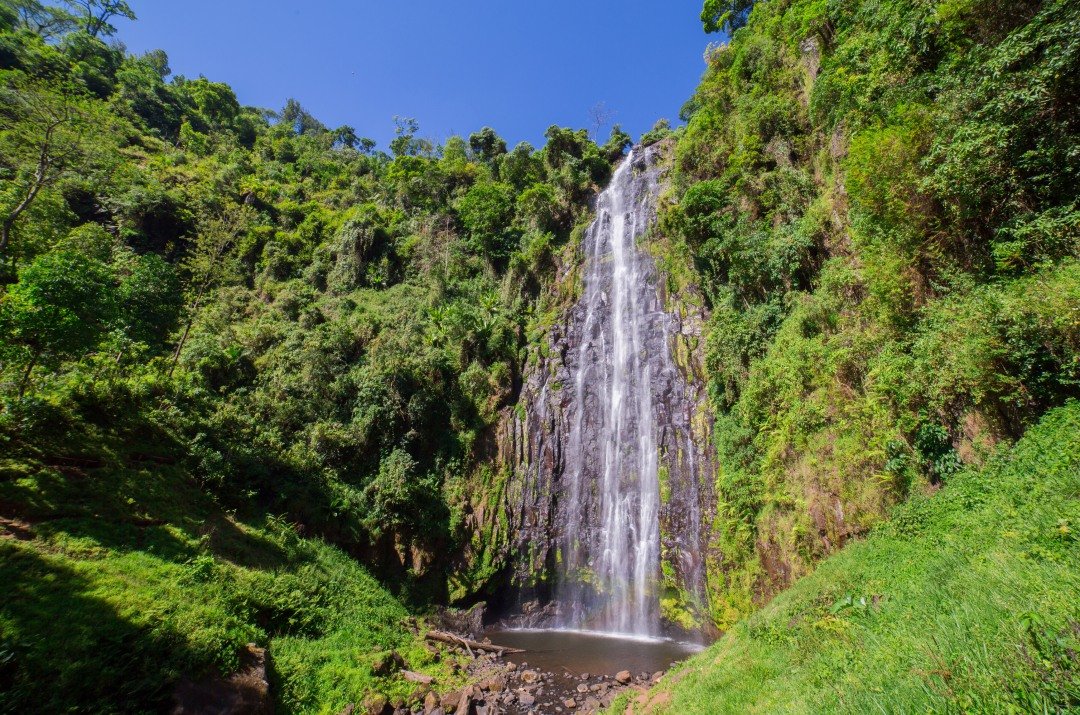
At 5,895 m, Kilimanjaro is the highest mountain in Africa and the highest free-standing mountain in the world — and you don’t need technical climbing skills to reach the summit. What you do need is the right route, enough days to acclimatise, and a strong, ethical crew. Here’s how to choose.
The routes compared
More days on the mountain means better acclimatisation and a higher chance of summiting. We rarely recommend the shortest options.
✓ Our recommendation
For most climbers, the 8-day Lemosho or 9-day Northern Circuit give the best acclimatisation and the highest summit success. The extra day or two is the best money you can spend on the mountain.
*Success rates vary by operator and acclimatisation; longer routes consistently see the highest summit rates.
Acclimatisation & safety
- Choose a longer route — this is the single biggest factor in summiting safely.
- Walk pole pole (slowly), hydrate (3–4 litres/day), and follow the “climb high, sleep low” principle built into good itineraries.
- Our guides perform twice-daily health checks with a pulse oximeter and carry emergency oxygen and a first-aid kit.
- Know the signs of altitude sickness and tell your guide early — descending is the cure.
Training & fitness
Kilimanjaro is a long walk at altitude, not a technical climb. Build up with regular hill walking and cardio for 2–3 months beforehand, ideally with a loaded daypack and a few back-to-back long days. Mental resilience for summit night matters as much as fitness.
Gear essentials
Proper layering and broken-in boots are non-negotiable. See the Kilimanjaro section of our Packing List. Key items: 4-season sleeping bag (rentable), down jacket, waterproof shell, insulated gloves, headtorch and trekking poles.
Best time to climb
The two dry windows are January–March (colder, quieter, often clearer) and June–October (warmer, busier, very stable). Avoid the long rains of April–May.
What it costs
Reputable, safe, ethically-crewed climbs typically start around $2,400–$3,800 per person depending on route and group size. Be wary of very cheap operators — corners get cut on crew welfare, food and safety. See our trek routes & pricing.
ℹ We climb the KPAP way
We follow Kilimanjaro Porters Assistance Project guidelines on fair pay, fair loads and proper food and shelter for our crews. More in our Responsible Travel guide.
Frequently Asked Questions
Do I need climbing experience?+
No technical skills or equipment are required — if you can hike for several hours over consecutive days, you can attempt Kilimanjaro on a well-paced route.
What is the summit success rate?+
It varies by route and operator. On our recommended 8–9 day itineraries with strong acclimatisation, success rates are high; shorter routes are markedly lower.
How cold does it get?+
Summit night can fall well below freezing (−10°C to −20°C with wind chill), which is why proper layers and a down jacket are essential.