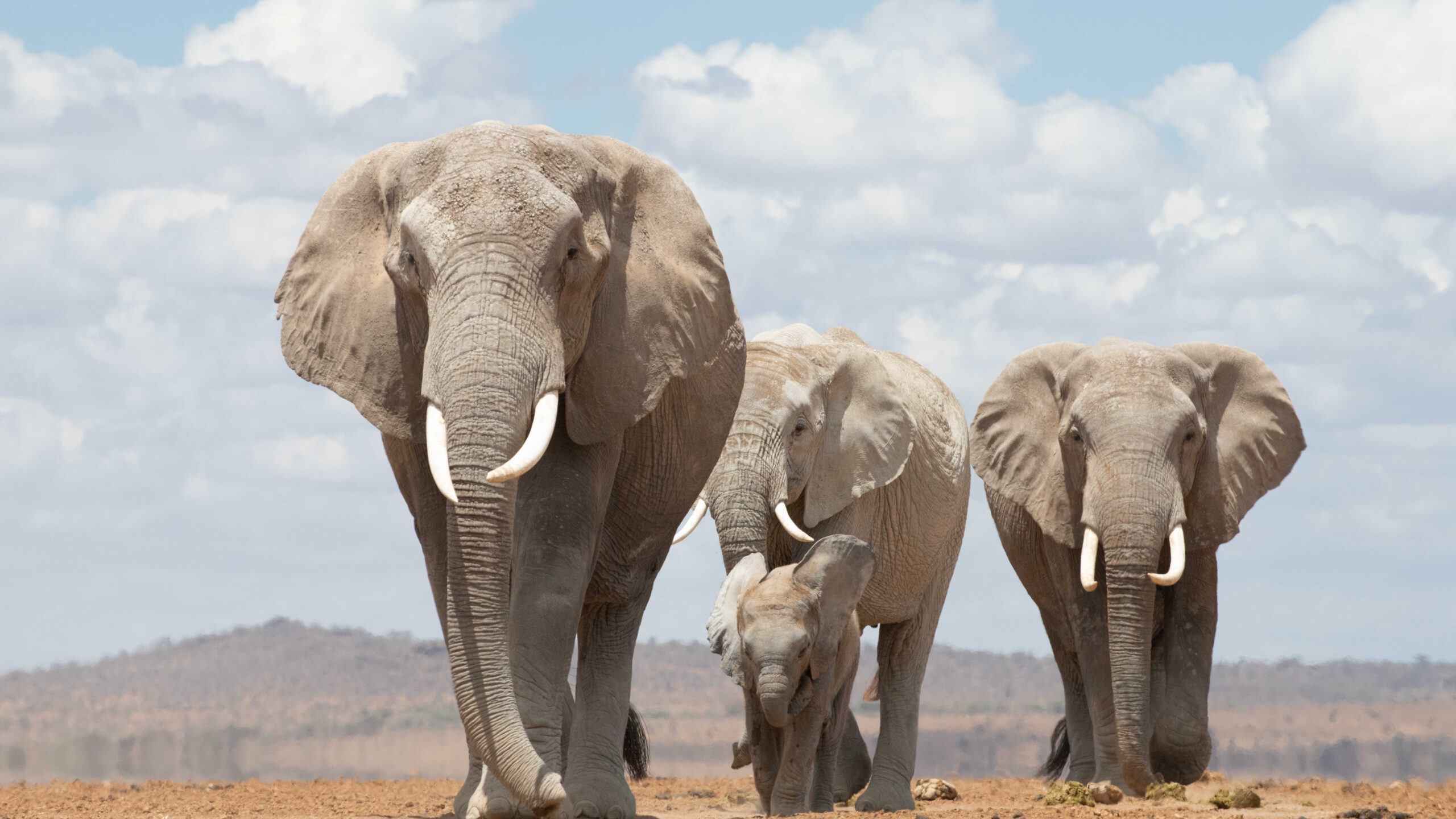
Travel done well protects the very wildlife and communities that make it worthwhile. As a locally owned, TATO-licensed operator based in Arusha, responsible travel isn’t a marketing line for us — it’s how we run every trip.
Protecting wildlife
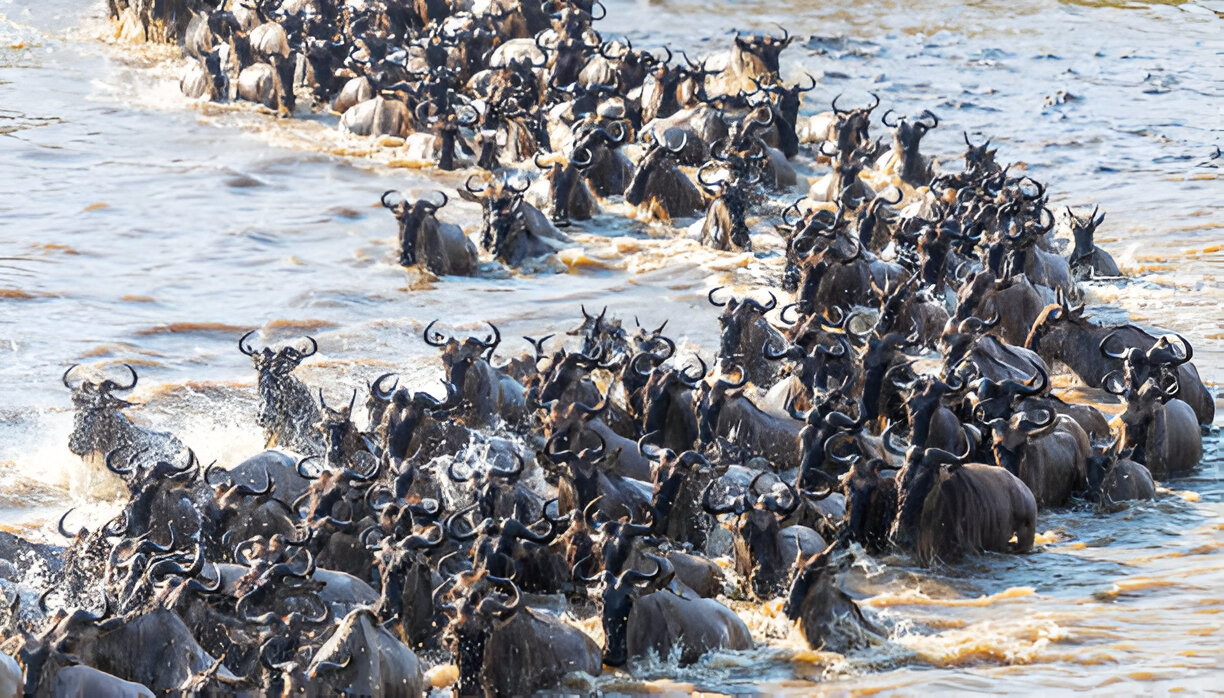
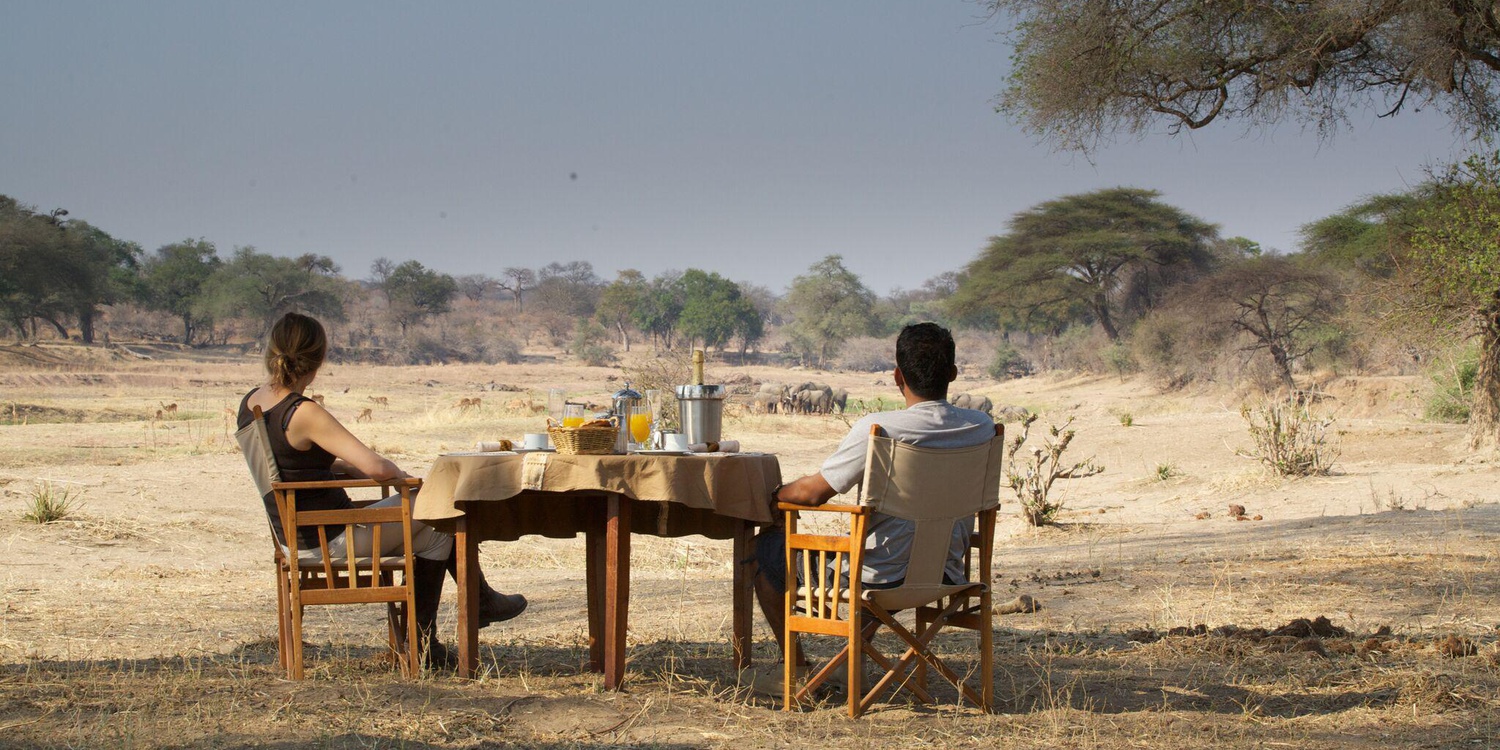
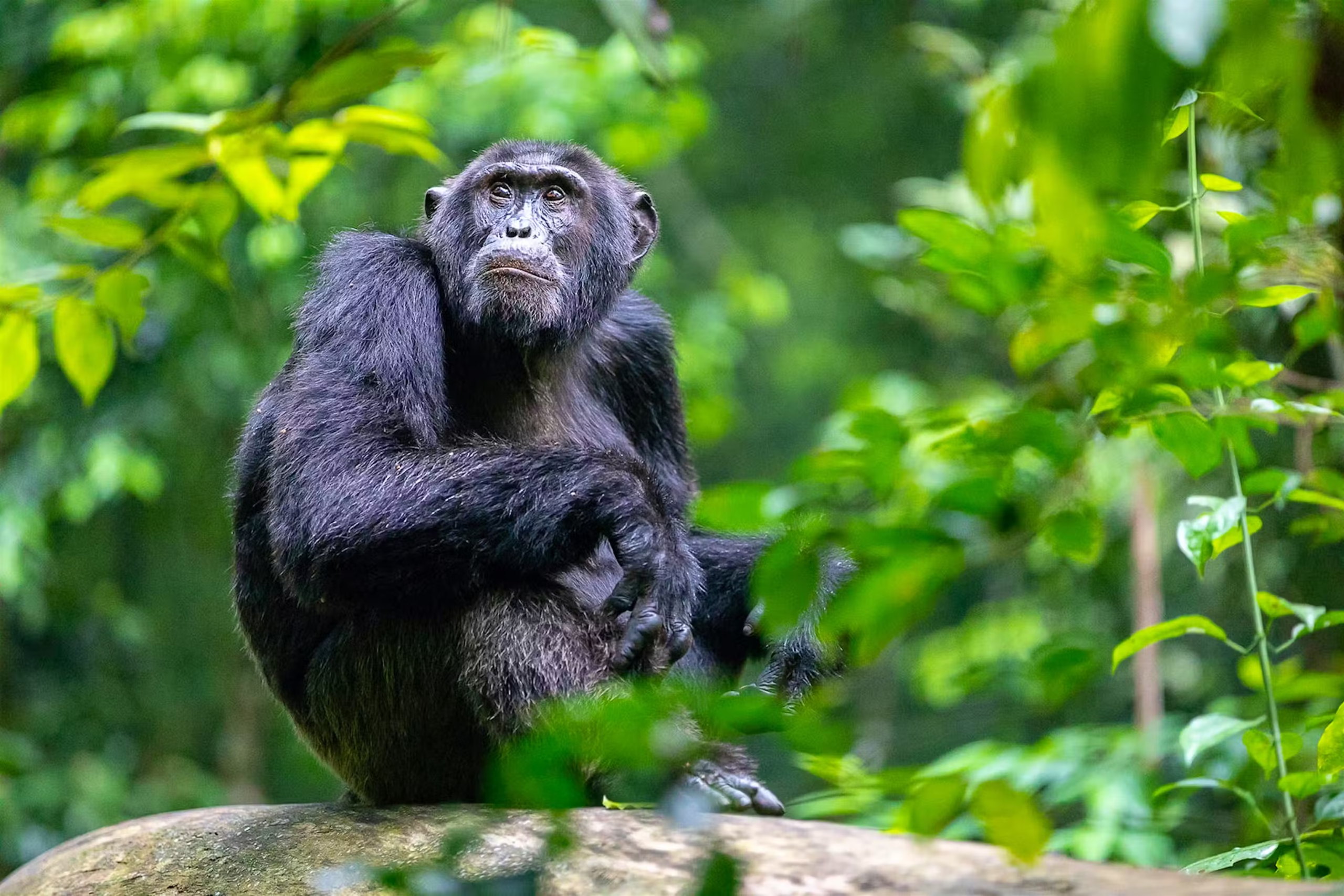
- We follow park rules and keep respectful distances — no off-road harassment of animals for a photo.
- Your park and conservation fees directly fund anti-poaching and habitat protection.
- We favour lodges and conservancies that reinvest in conservation and limit their footprint.
Fair treatment of mountain crews
Kilimanjaro is carried on the backs of porters. We align with the Kilimanjaro Porters Assistance Project (KPAP) on the things that matter:
- Fair wages, paid reliably and transparently.
- Weight limits on porter loads, proper meals, and adequate sleeping tents and gear.
- Transparent tipping so your generosity reaches the crew.
✓ Why it matters
Choosing a KPAP-aligned operator is the single most ethical decision you make when booking a Kilimanjaro climb. Cheap climbs are often cheap because crews pay the price.
- We employ and train local guides, cooks and office staff, keeping tourism income in Tanzania.
- Our cultural visits are arranged fairly, with the community benefiting directly and engaging on their terms.
- We buy local where we can — produce, crafts and services.
- Bring a refillable water bottle — lodges provide safe drinking water and we minimise single-use plastic.
- Conserve water and power at camps; many run on solar.
- Consider offsetting your flights, and pack out what you pack in.
How you can travel responsibly
- Choose licensed, ethical operators (ask about KPAP for climbs).
- Respect wildlife, guides’ instructions and local cultures.
- Tip fairly, buy local, and ask before photographing people.
Frequently Asked Questions
How do I know an operator treats porters fairly?+
Ask whether they are a KPAP partner, what porters are paid, the maximum load, and how tips are distributed. Honest operators answer clearly.
Is my park fee really helping conservation?+
Yes — park and conservation fees are a primary funding source for protecting Tanzania’s and Kenya’s wildlife and habitats.