Gallery
Scenes From Kilombero Valley

Extraordinary African Safaris
One of East Africa's largest freshwater wetlands below Udzungwa — a vast floodplain of endemic antelope, prolific birdlife, and traditional river life.
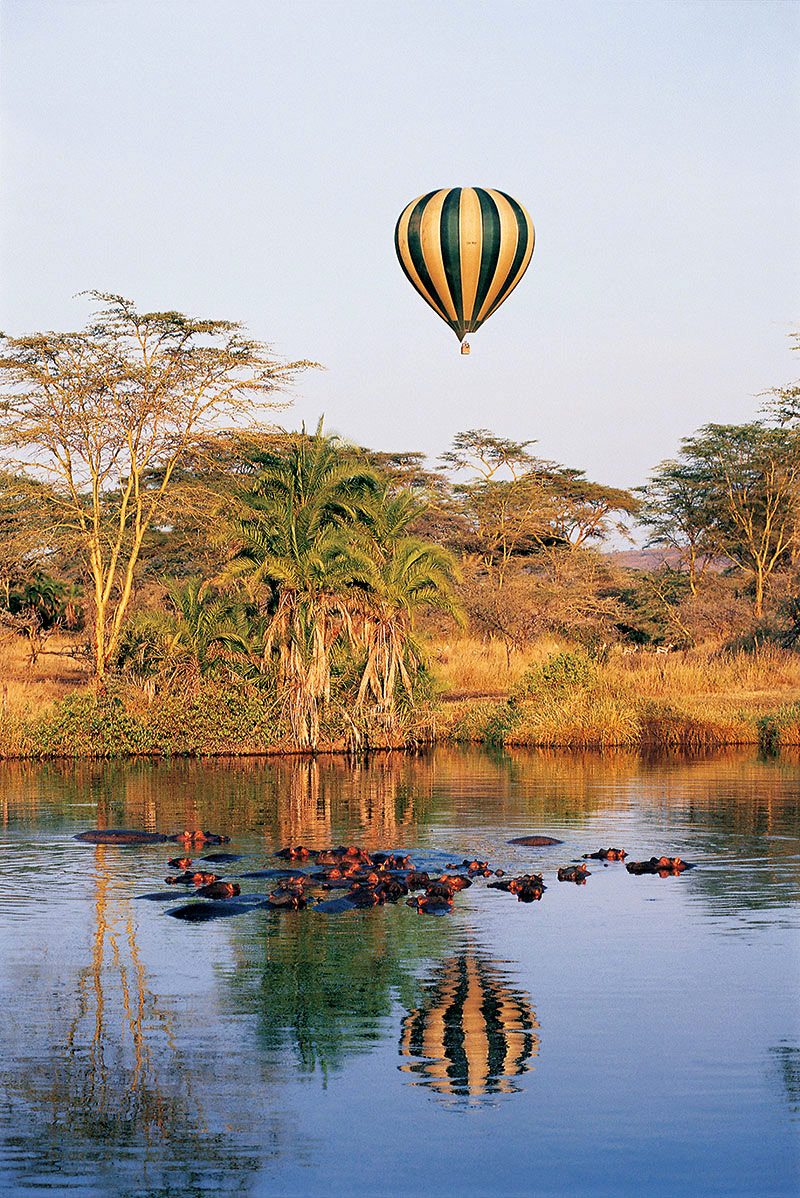
The Kilombero Valley is one of the largest and most important freshwater wetlands in East Africa, a vast seasonally flooded grassland fed by the Kilombero River below the eastern wall of the Udzungwa Mountains. A designated Ramsar wetland of international importance, it is a watery world of floodplains, ox-bow lakes, and reed beds quite different from the safari plains to the north.
Its wildlife is special. The valley holds the largest population of the puku antelope in Tanzania, along with the localized Kilombero weaver and other birds found almost nowhere else, plus hippo, crocodile, and a wealth of waterbirds. It is a place for birders, naturalists, and travellers curious about a habitat the mainstream circuits never reach.
Kilombero is experienced through boat trips on the river, walks along the floodplain edge, and visits to the fishing and farming communities whose lives revolve around the water. It lies below Udzungwa and suits independent-minded travellers extending a Southern Circuit trip into genuinely off-the-map country.
The Kilombero Valley lies below the Udzungwa Mountains, reached by road via Ifakara and usually combined with an Udzungwa or Southern Circuit trip. Facilities are basic, so visits are arranged as guided excursions centred on river boat trips, floodplain walks, and community visits. It suits adventurous, nature-focused travellers. The drier months give the easiest access and the wetter months the richest birdlife.
A boat trip across an endless floodplain, puku grazing the reeds and birds we’d never seen — the Kilombero showed us a Tanzania completely off the tourist map. — Guest review, TripAdvisor
Firmer access and concentrated wildlife along the shrinking channels, with comfortable conditions for boats and walks. The best window.
Best overallThe wetland greens and migrant birds arrive; birding improves and the floodplain begins to fill.
Best for birdingLush and full of life, with abundant birds and dramatic skies, though some tracks soften.
Best for photographyThe valley floods extensively and access becomes difficult. The wildest, quietest months.
Best avoided

Contact us now — we are always here to help with honest, expert advice at no cost.
Tell us about your dream trip and our Tanzania safari specialists will get back to you within 24 hours with a personalised itinerary and no-obligation quote.
A short planning brief gives our team enough context to suggest the right parks, route, pace and accommodation level.