Gallery
Scenes From Amani Nature Reserve


Extraordinary African Safaris
A misty rainforest reserve in the East Usambaras — a birding and biodiversity treasure of endemic species, forest trails, and old botanical gardens.
Amani Nature Reserve protects a swathe of submontane rainforest in the East Usambara Mountains, one of the most biodiverse corners of the Eastern Arc and indeed of Africa. Cool, green, and often wrapped in mist, it is a place of towering trees, tangled vines, streams, and a richness of life that has made it world-famous among scientists and birders.
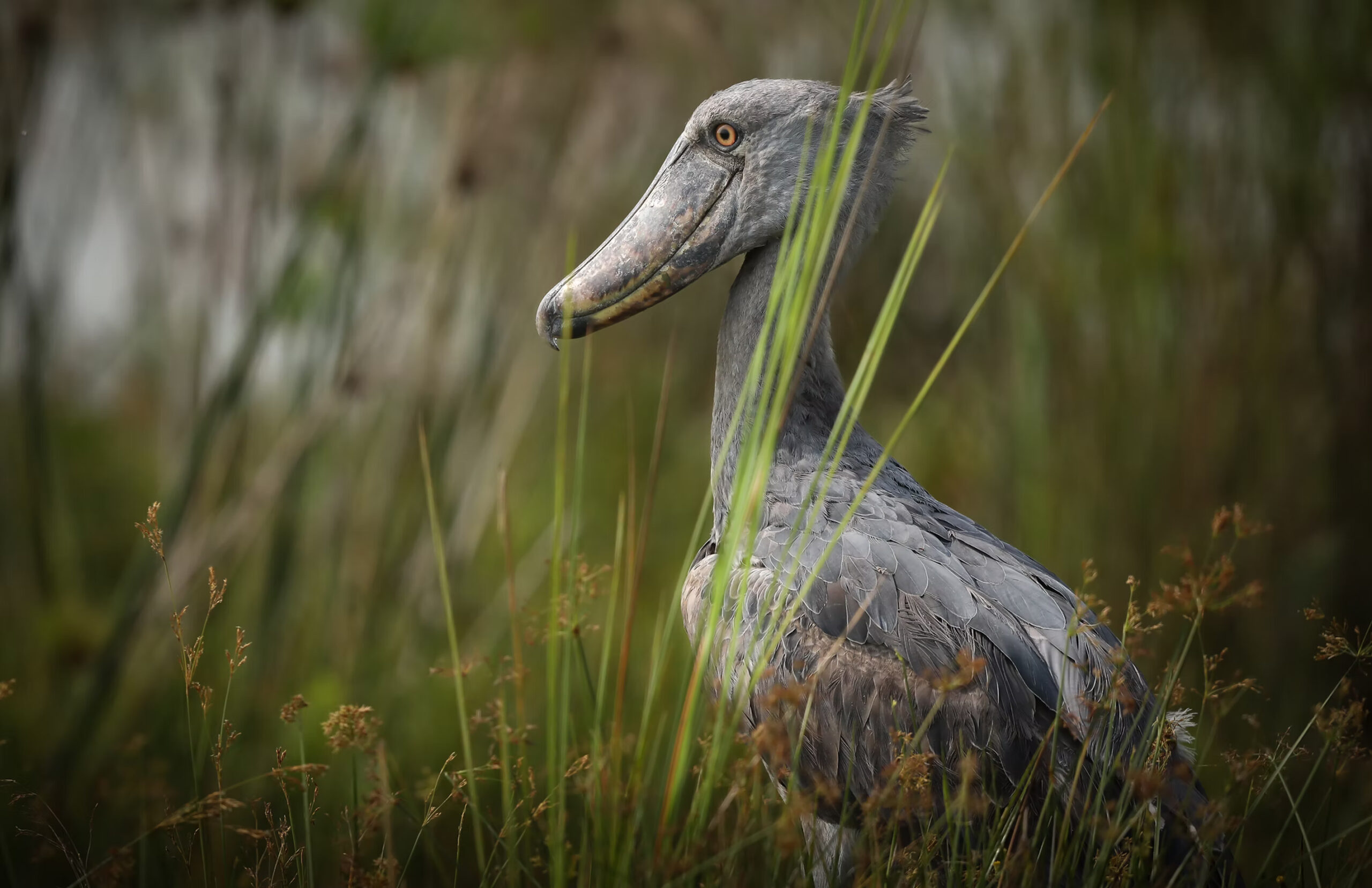
The reserve is a stronghold of endemic and rare species — birds such as the Amani sunbird, Usambara eagle-owl, and long-billed tailorbird, alongside endemic frogs, chameleons, and African violets in their original wild home. Its forest trails, walked with a guide, are about quiet immersion: birdsong, butterflies, and the chance of rare sightings rather than big game.
Amani also carries a curious history. The reserve grew around a German-era research station and botanical garden, traces of which remain among the trees. It suits birders, naturalists, and travellers who love forests, reached from the East Usambaras and combined with the wider Usambara highlands and the Tanga coast.
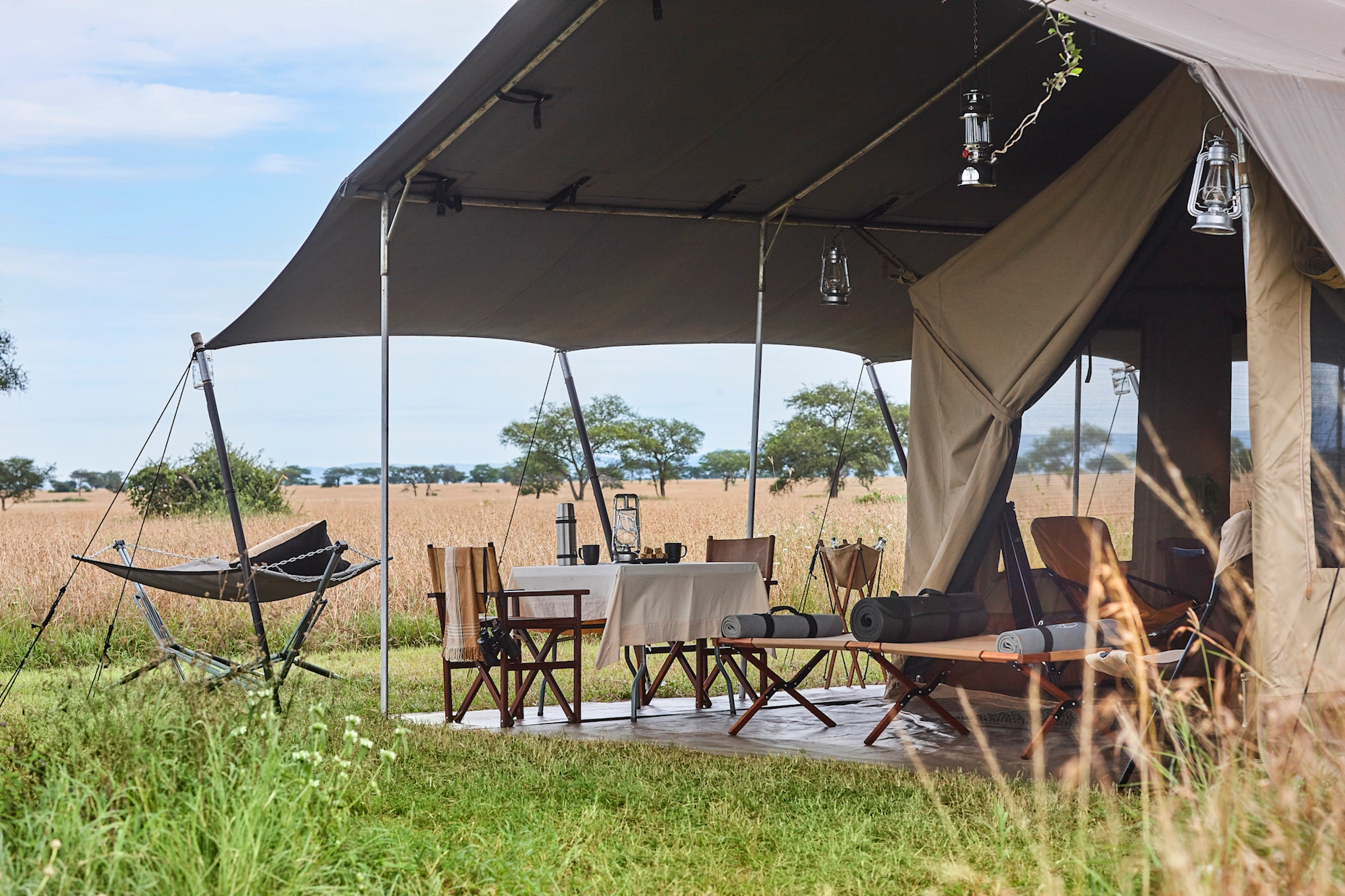
Amani Nature Reserve is reached by road into the East Usambara Mountains, typically via Muheza off the Tanga road, the final stretch on rough track. Accommodation is simple, in reserve resthouses or nearby guesthouses. Visits centre on guided forest walks and birding with reserve guides. A reasonable level of fitness and rain gear are useful. Most travellers stay one to three nights.
A birder’s paradise — misty forest alive with calls, endemic species at every turn, and an old botanical garden lost among the trees. Amani is a hidden gem. — Guest review, TripAdvisor
The driest window with firmer trails and the most comfortable forest walking and birding. The best time to visit.
Best overallA relative break in the rains, green and active, with excellent birding between showers.
Best for birdingFrequent showers keep the forest lush and the amphibians active; trails are muddy but the forest is vivid.
Best for frogs & greenThe wettest stretch in an already-wet reserve, with slippery trails and frequent mist. The quietest months.
Quietest months

Contact us now — we are always here to help with honest, expert advice at no cost.
Tell us about your dream trip and our Tanzania safari specialists will get back to you within 24 hours with a personalised itinerary and no-obligation quote.
A short planning brief gives our team enough context to suggest the right parks, route, pace and accommodation level.