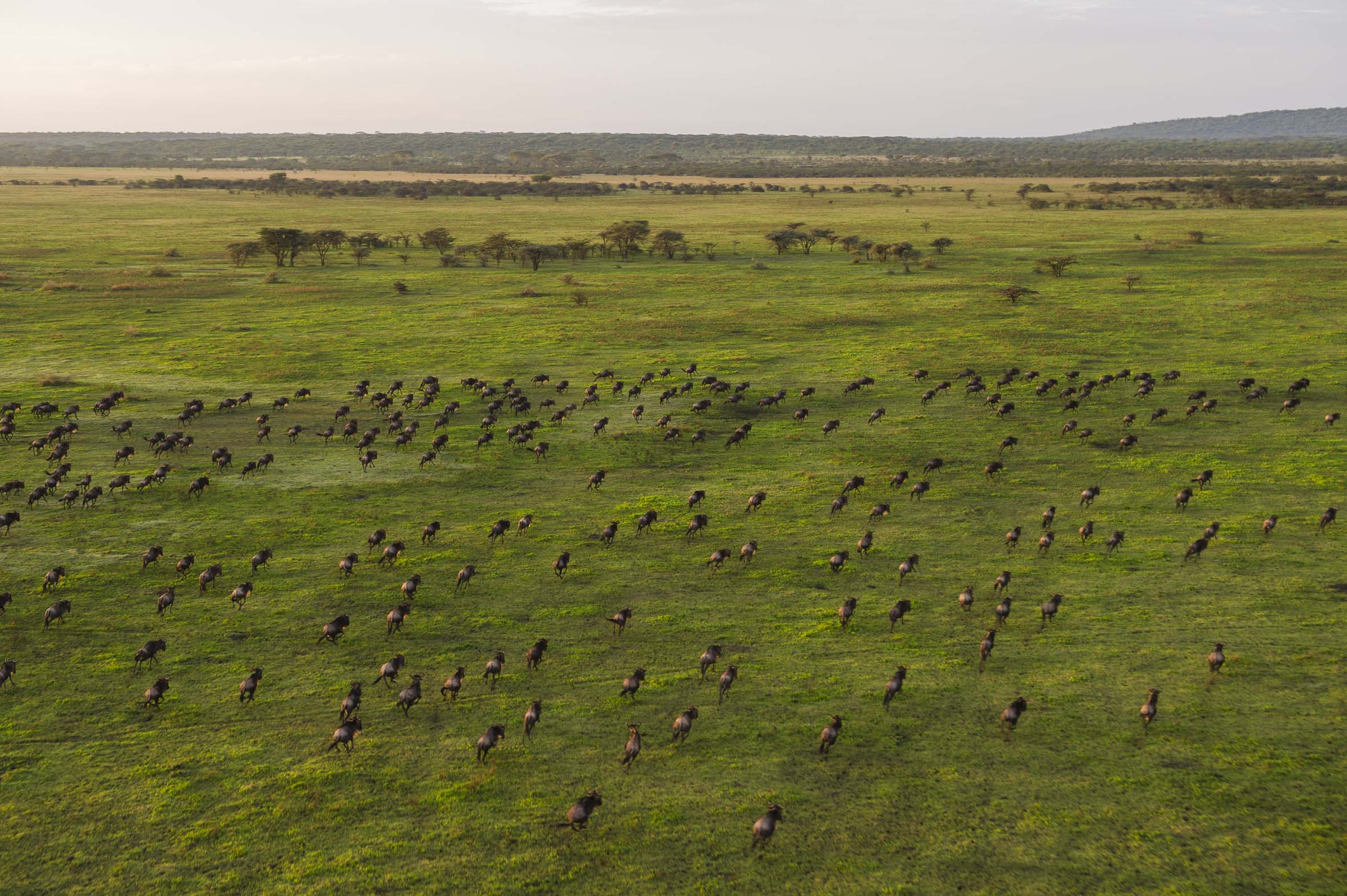
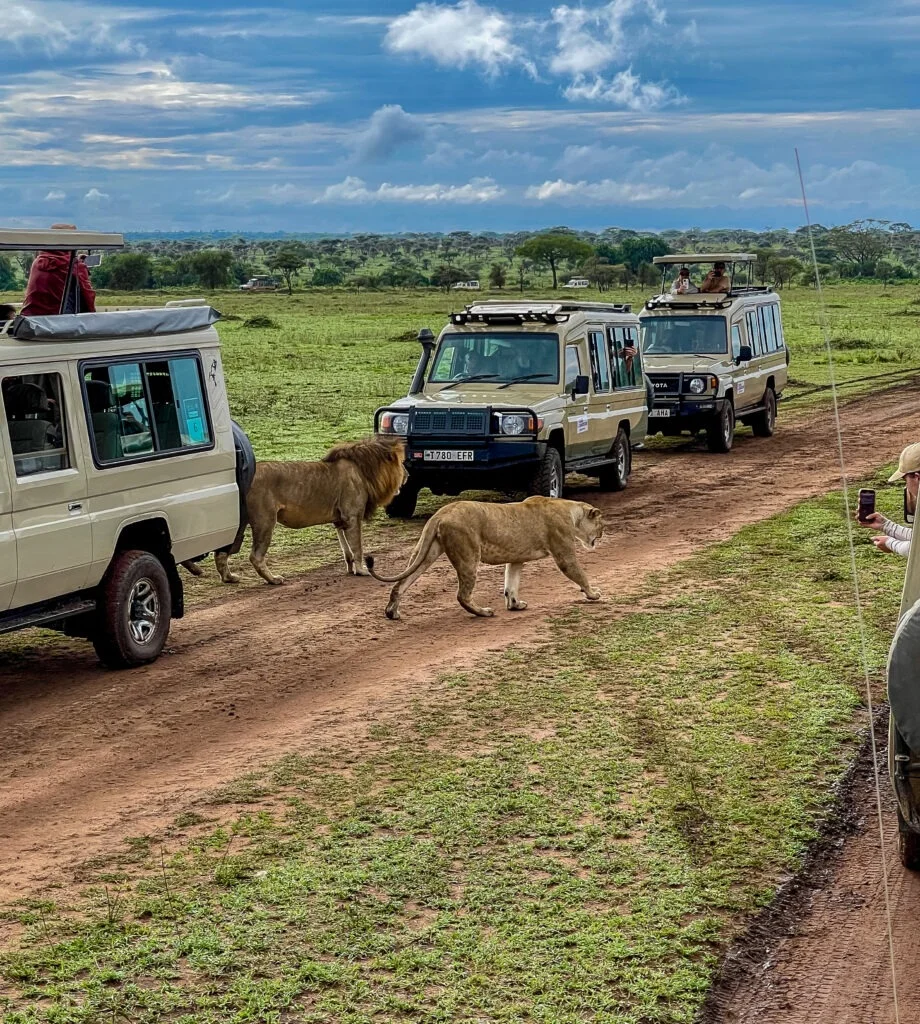
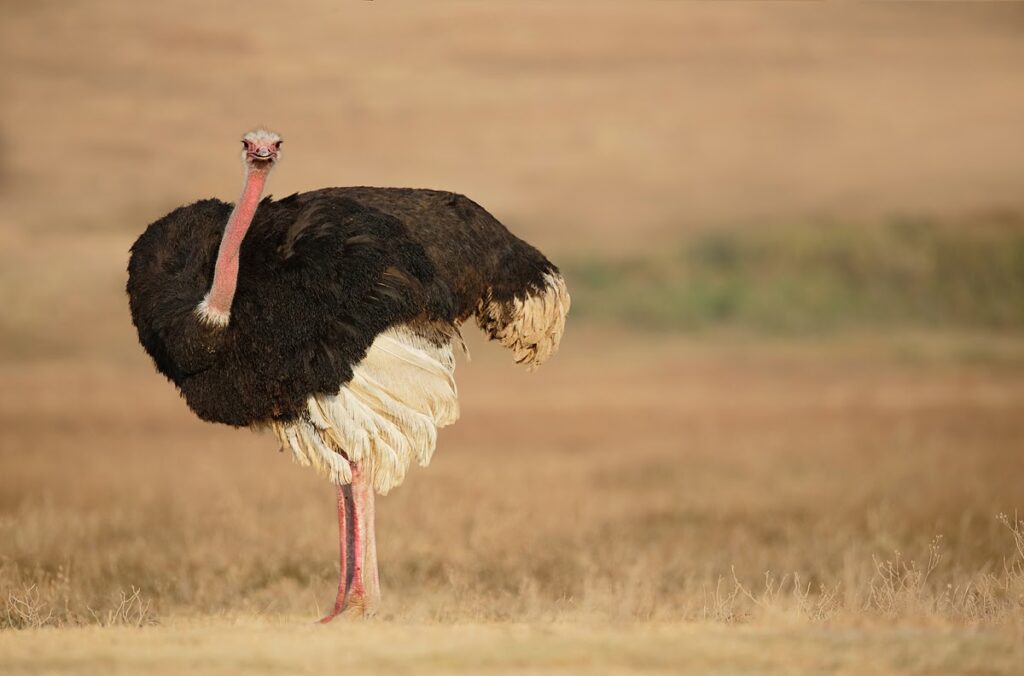
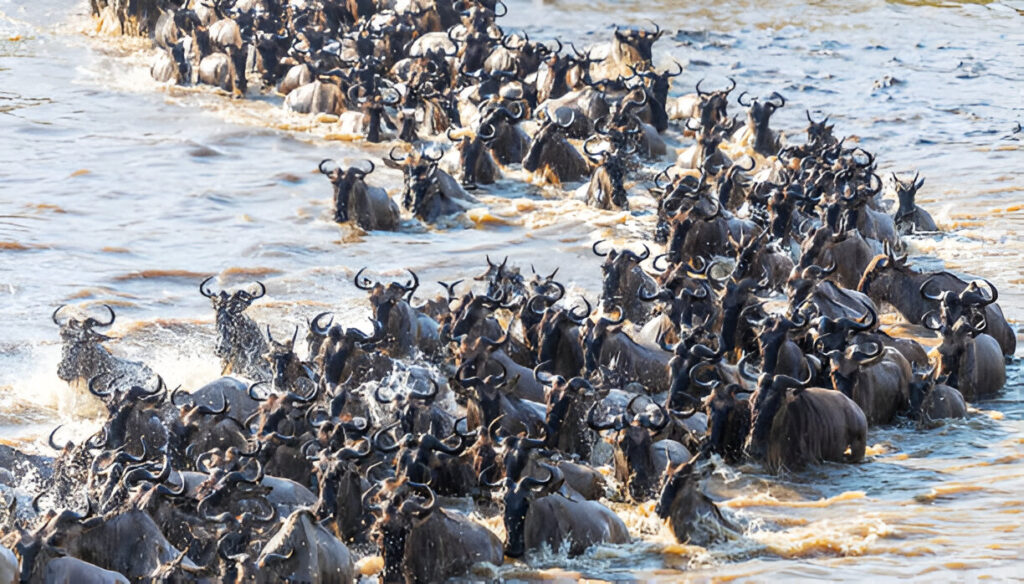
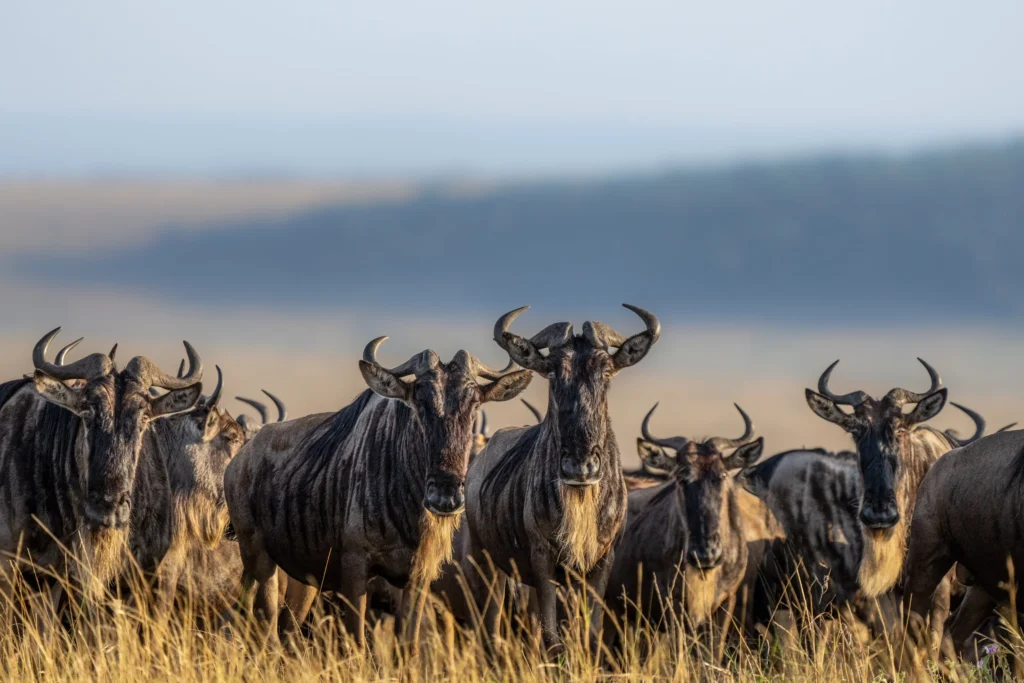
From December into March, short-grass plains across the Ngorongoro Conservation Area and southern Serengeti can hold large wildebeest herds. The peak calving period is often January and February, when predator activity can also be intense.
Rainfall, grass and herd movement determine the exact daily route. Calving, hunts and large herd concentrations are natural events and cannot be guaranteed. A road start from Arusha provides landscape context; a scheduled flight can be considered when time and baggage requirements support it.
3-Day Ndutu Calving Safari takes you through Tanzania's most celebrated national parks. Each day is a different landscape, a different wildlife encounter.
-
1
Day 1: Arusha to Ndutu
Leave Arusha early and travel through the Rift Valley and Ngorongoro highlands toward Ndutu. Enter the seasonal plains for an afternoon game drive, following fresh guide reports rather than a fixed circuit.
Arrive at camp before dinner and review the next day’s plan with your guide.
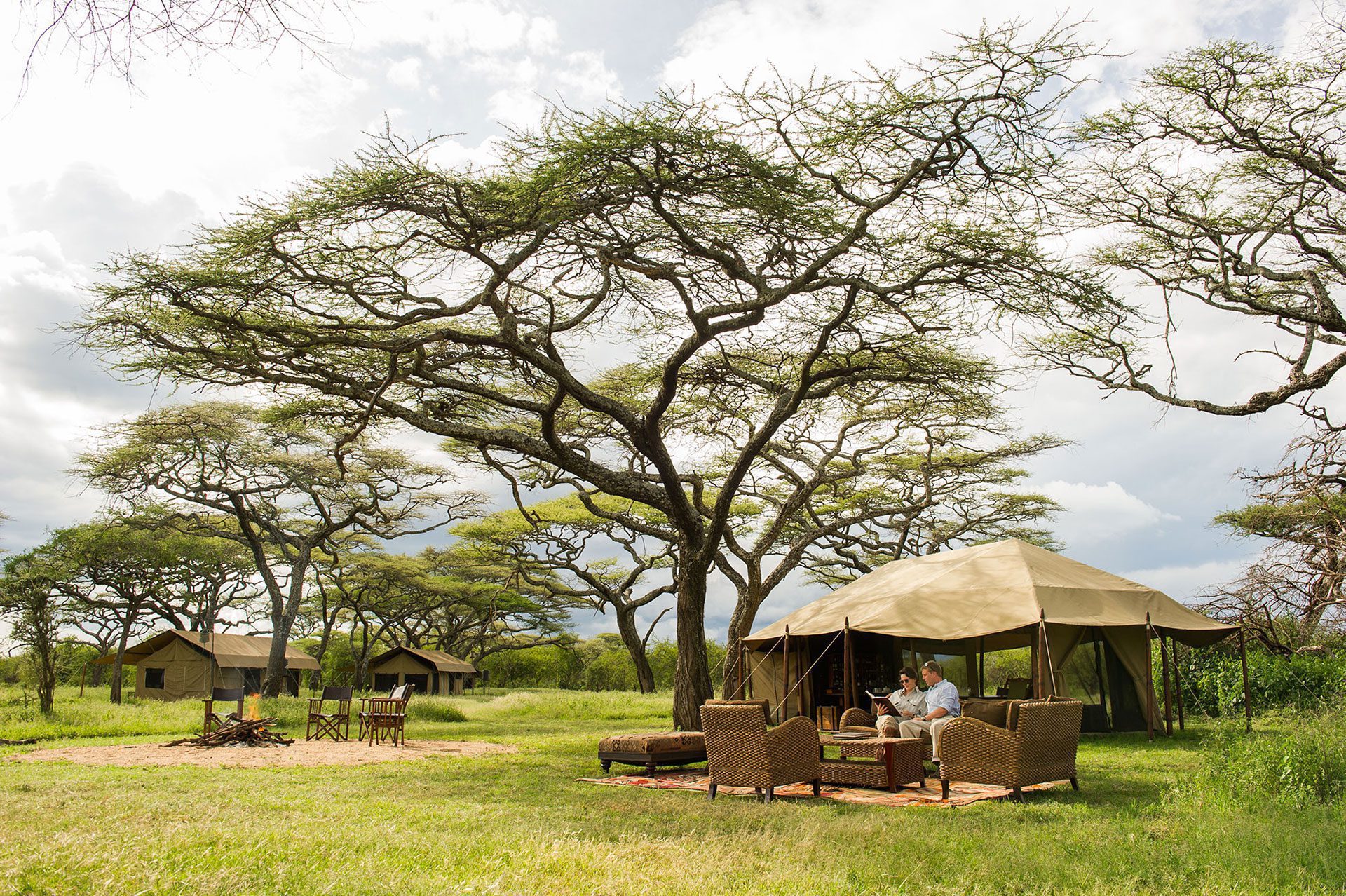
Seasonal Ndutu tented campFull board · Exact camp confirmed for operating dates -
2
Day 2: Full day on the Ndutu plains
Start early and spend the day across Ndutu’s short-grass plains, woodland edges and seasonal water areas. Your guide looks for herd concentrations, newborn calves and predator activity while maintaining responsible distances.
Use a picnic lunch for maximum field time or return to camp during the warmest hours when conditions allow.
Seasonal Ndutu tented campSecond night at the same camp · Full board -
3
Day 3: Final Ndutu drive and return
Take a final early game drive before beginning the return to Arusha. Depending on the confirmed program, travel by road through the highlands or connect with a scheduled flight from a suitable airstrip.
No accommodationEnd of safari · Arusha hotel or airport transfer
The starting figure is a competitor-derived planning reference, not a confirmed I Artist Adventure tariff. The final quote depends on camp, road or flight transfers, group size and exact seasonal dates.
- Private 4×4 and professional driver-guide
- Two nights at a seasonal Ndutu camp
- Meals listed in the itinerary
- Park and conservation fees for the confirmed route
- Drinking water during game drives
- Arusha transfers stated in the final program
- International flights, visa and insurance
- Domestic flights unless confirmed
- Tips and personal expenses
- Alcoholic and specialty drinks
- Balloon flights and optional activities
- Pre- and post-safari accommodation
Add Ngorongoro Crater, a central Serengeti extension, a private photographic vehicle or a scheduled fly-out.
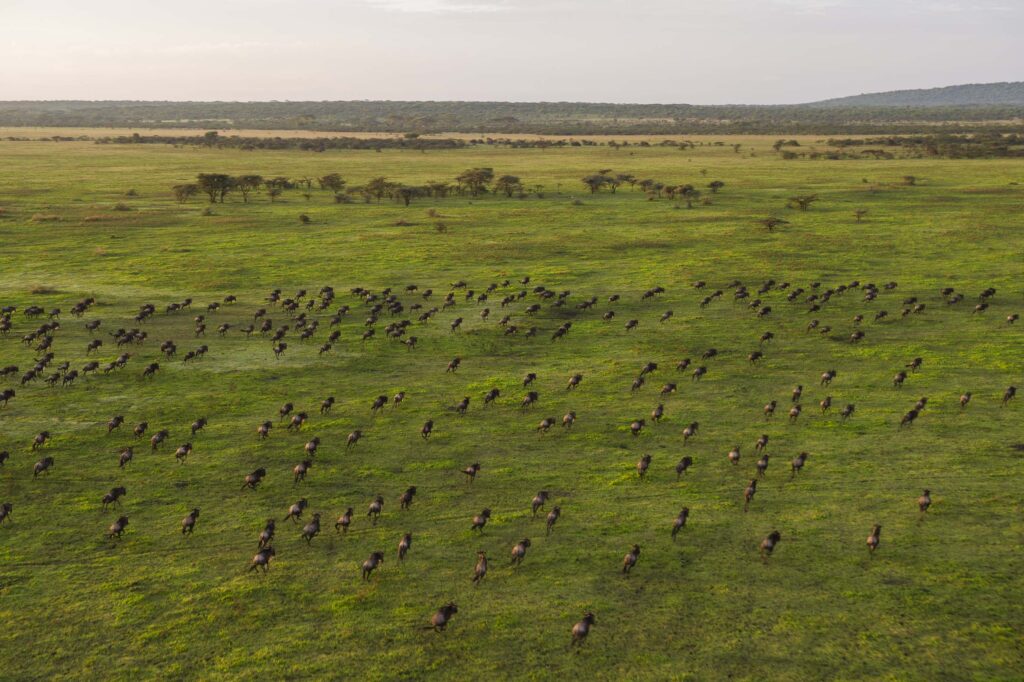
Ndutu calving-season game drives
Private game drives across the active southern migration area.
Included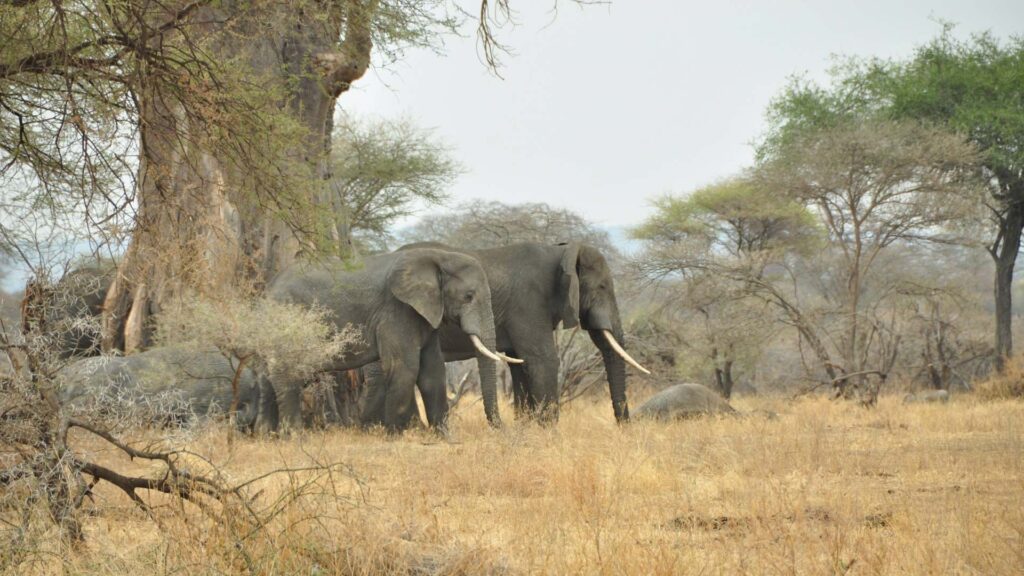
Private photographic setup
Limit vehicle occupancy and add beanbags for long-lens photography.
On request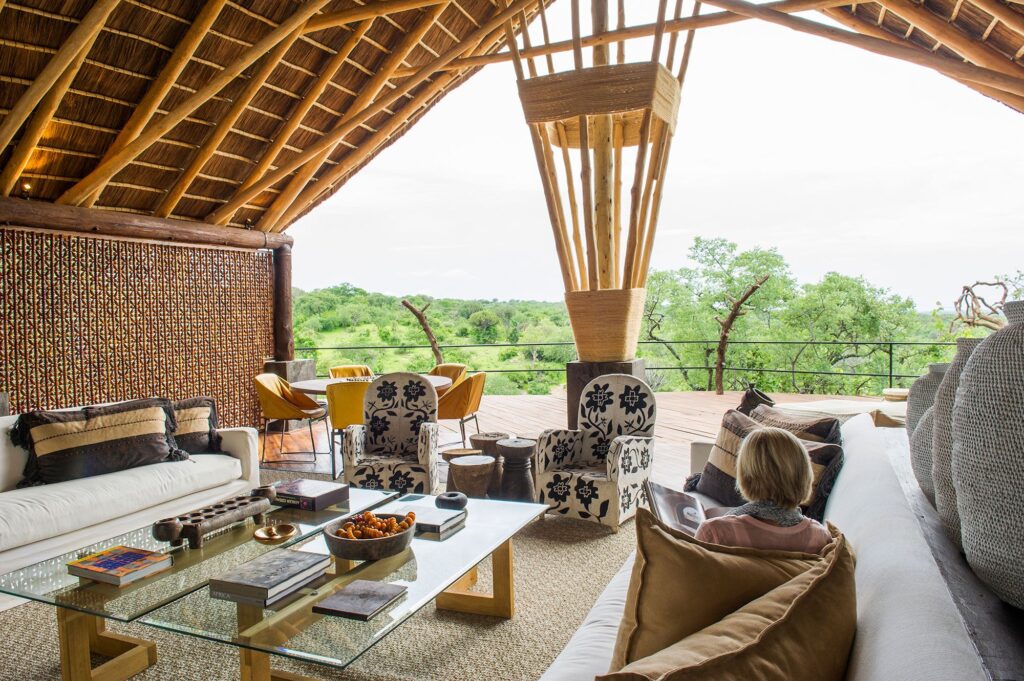
Scheduled fly-out
Replace part of the return road journey with a light-aircraft flight.
On request-
When is the best time for wildebeest calving?
The southern migration season usually runs from December to March, with the strongest calving period often in January and February. Timing varies with rainfall and grass.
-
Are births or predator hunts guaranteed?
No. These are natural events. Staying two nights near Ndutu improves field time but cannot guarantee a specific sighting.
-
Will the roads be muddy?
Green-season rain can make some tracks muddy. Safari vehicles and routes are adjusted to current conditions.
-
Can this safari start from Zanzibar?
Yes, when scheduled flight connections and camp airstrip access work for your dates. Baggage limits apply.
Photo Gallery